Spotting Opportunity In Easton Mixed-Use And Multifamily
Are you looking at Easton and wondering where mixed-use and multifamily opportunity still exists? You are not alone. For local investors and small business owners, Easton stands out because it combines a historic downtown, steady renter presence, and public support for reinvestment. If you want to spot promising properties without overlooking the details that matter, this guide will help you focus on demand, property type, zoning, and due diligence. Let’s dive in.
Easton offers a market where rental demand appears meaningful on both long-term Census data and newer listing trends. The city’s 2025 population estimate was 30,402, and the owner-occupied housing rate was 44.5 percent, which suggests a renter share of about 55.5 percent. That matters when you are evaluating income-producing property because it points to a sizable rental base within the city.
Rent and price data also support the idea that Easton deserves a closer look. Census QuickFacts reported median gross rent of $1,325 for 2020 through 2024, while Realtor.com reported a median rent of $1,700 in May 2026. In that same May 2026 snapshot, Realtor.com reported a median listing price of $355,000, a median sold price of $351,250, 263 homes for sale, 130 homes for rent, and a median of 26 days on market.
Those figures are not interchangeable because they measure different things, but together they suggest an active market. Realtor.com also described Easton as a seller’s market. For you, that means opportunities may still exist, but speed and preparation can matter.
A good investment story needs more than a listing price and rent estimate. Easton benefits from a mix of downtown activity, regional access, and institutional presence that can support housing and commercial demand. The city highlights access to I-78, Route 22, Lehigh Valley International Airport, a downtown intermodal facility, and walking and biking trails.
Easton is also part of the Allentown-Bethlehem-Easton metro area. In April 2026, the Bureau of Labor Statistics reported 4.0 percent unemployment in the metro, with a civilian labor force of 463.9 thousand and 404.1 thousand nonfarm jobs. That broader employment base can be an important backdrop when you are studying tenant demand and business activity.
Downtown activity adds another layer. The city points to Easton Public Market, the Easton Farmers’ Market, more than 50 eateries, year-round festivals, the Karl Stirner Arts Trail, waterfront amenities, and the Crayola Experience, which the city says draws more than 425,000 visitors annually. Lafayette College, with 2,675 undergraduates and 93 percent on-campus housing, is better viewed as an activity anchor than a major off-campus student housing engine.
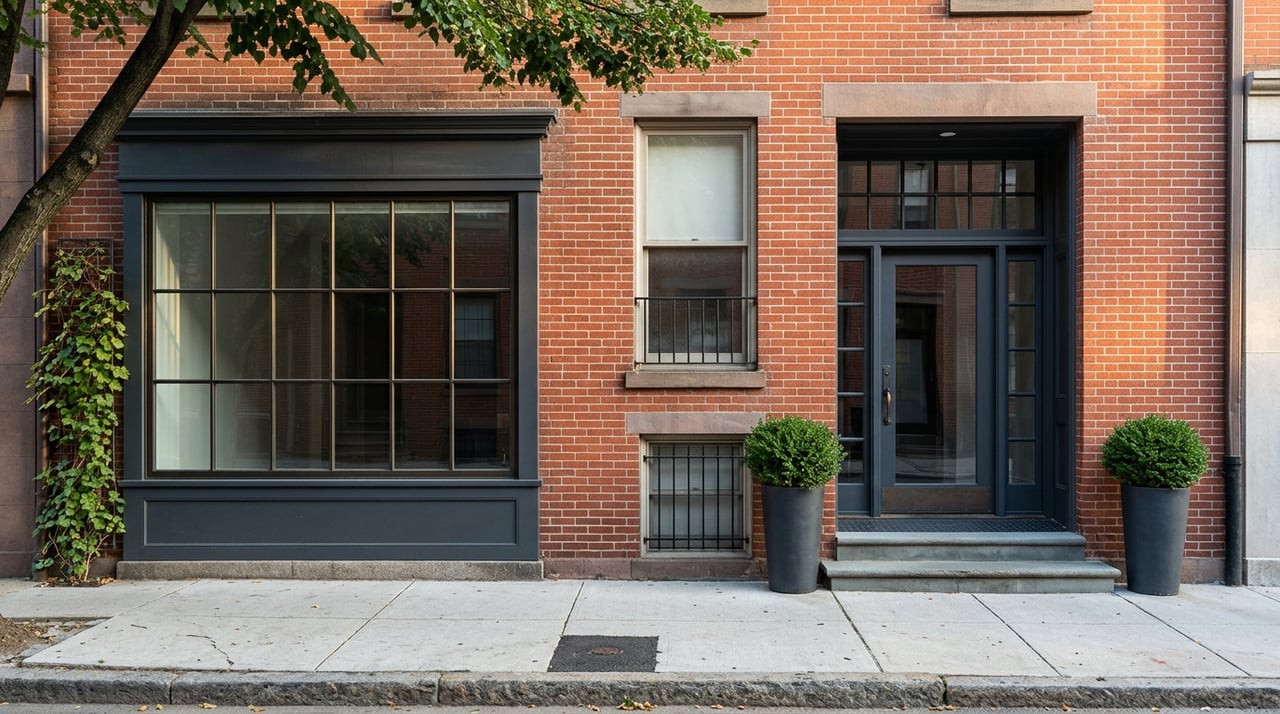
In Easton, opportunity often comes in smaller and more varied formats than a large suburban apartment complex. Based on the city’s zoning framework, the kinds of assets you are most likely to encounter include storefront-over-apartment buildings, small apartment houses, two-family conversions, adaptive-reuse properties in the historic core, and corridor buildings that blend commercial and residential space.
The city’s zoning code gives strong clues about where these formats fit. The Downtown District is intended as Easton’s highest-intensity core and is designed to promote a mix of commercial, office, residential, and neighborhood-serving uses while preserving historic resources. The Street Corridor Enhancement Overlay is meant to support compact, walkable, mixed-use buildings with commercial, light industrial, and residential uses.
The West Ward transition district also encourages a variety of uses and mixed-use building styles. In the code, Easton recognizes uses such as multifamily dwellings and mixed residential and business structures. On parts of Northampton Street within the Downtown District and Street Corridor Enhancement Overlay, nonresidential uses on key frontage must place a nonresidential first floor, which is a clear sign that ground-floor commercial with upper-floor housing is an intended form.
If you are trying to narrow your search, downtown and nearby transition areas deserve close attention. These are the areas where Easton’s zoning most clearly supports mixed-use and multifamily concepts. They also align with the city’s emphasis on walkability, reinvestment, and historic character.
Rental activity can offer another directional clue. Realtor.com reported that Downtown Easton had 26 rental listings versus 12 properties for sale in May 2026. That does not tell you everything about profitability, but it does suggest that downtown remains active from a rental perspective.
Neighborhood-level rent snapshots can also help frame expectations. Realtor.com reported median rents around $1,587 in West Ward and about $1,800 in Southside Easton. You should treat these numbers as broad signals, then compare them against actual unit mix, building condition, and current rent rolls on any property you consider.
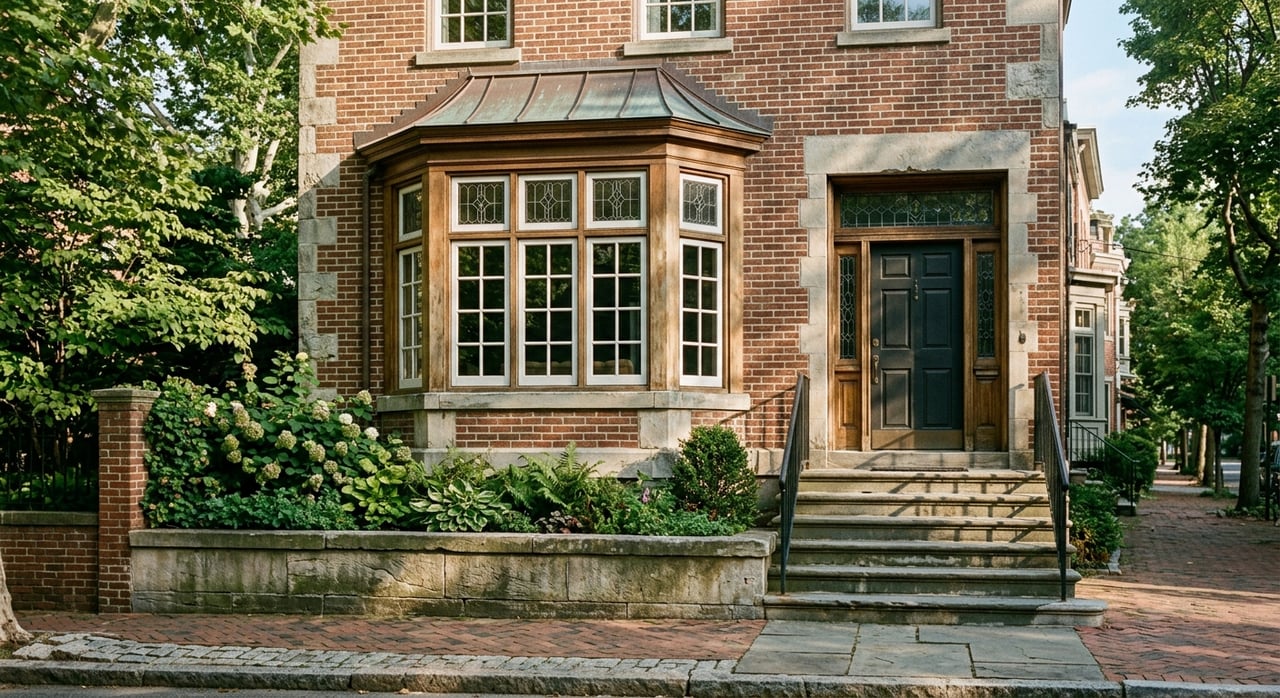
Easton’s historic core is part of what makes the city appealing, especially for investors interested in mixed-use buildings with character. The Local Historic District is roughly bounded by the Delaware River, Bushkill Creek, Sixth Street, and the Lehigh River, and it includes both downtown commercial and residential properties. The city notes that more people are choosing to live downtown and invest in these historic buildings.
That said, historic character comes with added process. Exterior work visible from a street, sidewalk, or other public way requires a Certificate of Appropriateness. In historic downtown areas, signs require both a Certificate of Appropriateness and a zoning permit.
For you, that means the building’s charm may be part of the opportunity, but approvals and project timing should be part of your underwriting from the start. Renovation budgets, signage plans, storefront improvements, and exterior repairs may all involve more coordination than they would on a non-historic property.
In Easton, due diligence should begin before you get too far into your numbers. The city requires a Buyer Notification Inspection report and certificate for property sales. Sellers must schedule the inspection within five days of listing, and the report must be delivered to the buyer before the agreement of sale.
That requirement can be helpful because it brings condition and code issues into the conversation early. For an investor, this is a reminder to verify legal use, habitability, and code compliance right away instead of treating them as post-closing tasks. The city also states that residential rental units are inspected at least once every four years.
Change of use is another key issue. Easton says that converting between uses, including mixed-use to two-family, requires zoning approval before inspection. If your business plan depends on reconfiguring the building, changing unit count, or shifting from one use category to another, that should be confirmed before you assume the deal works.
A property that looks attractive on gross income can still disappoint if you understate expenses. Easton-specific taxes should be part of your model from day one. The city states that real property is taxed at 24.95 mills of assessed value, and it also administers business licenses and several business-related taxes.
Operational details matter too. Easton says mixed-use, commercial, institutional, and residential properties with seven or more apartments on a single lot must use private haulers or the city’s recycling drop-off center. That may affect your expense line if you are evaluating a larger building or one with multiple uses.
Location-based risk should also be screened early. The city publishes flood-zone, slope, watershed, zoning, and LERTA maps. For waterfront or low-lying properties, flood exposure should be reviewed before your underwriting goes too far, and some mixed-use and commercial properties may be eligible for property-tax abatement in qualifying areas through LERTA.
When you compare Easton mixed-use and multifamily properties, a few core metrics can keep your analysis grounded. Start with NOI, or net operating income. Fannie Mae defines multifamily NOI as net rental income plus commercial income plus other income, less operating expenses.
From there, look at cap rate, which is commonly defined as NOI divided by the purchase or sale price. Then review DSCR, or debt service coverage ratio, which Fannie Mae defines as net cash flow divided by debt service. Cash-on-cash return can also help, but it works best as a companion metric rather than the only one you use.
Easton makes disciplined underwriting especially important because older mixed-use and historic buildings may carry higher maintenance, compliance, insurance, and capital replacement costs than newer properties. The safest approach is to base your analysis on the actual rent roll, actual tax bills, and realistic reserves. Then confirm the structure with your lender, CPA, and real estate attorney.
If you want a workable approach, start by matching the property to the city’s intended use pattern. Focus on downtown and transition areas where mixed-use or multifamily formats fit the zoning framework. Then test whether the building’s current use, condition, and rent roll support your plan.
Next, study whether the opportunity comes from current income, future repositioning, or both. A storefront-over-apartment building may offer value through lease-up, better commercial use, improved upper-floor apartments, or a more efficient expense structure. A small multifamily property may depend more on stable occupancy, manageable repairs, and realistic rent assumptions.
Finally, stay local in your thinking. In Easton, details like historic review, buyer notification inspections, use changes, hauling requirements, taxes, and flood exposure can materially affect the outcome. The investors who spot the best opportunities are often the ones who combine optimism with careful local due diligence.
If you are exploring mixed-use or multifamily property in Easton, experienced local guidance can help you sort promising opportunities from complicated ones. For measured advice grounded in Easton market knowledge, connect with BHHS Paul Ford Realtors - Clay Mitman.



Every detail is approached with care, discretion, and a strong understanding of the market. Serving Easton, Western New Jersey, and Pennsylvania, BHHS Paul Ford Realtors guides each transaction with precision and a client-first mindset. Leveraging decades of experience, they anticipate challenges, provide tailored solutions, and deliver results that inspire confidence at every step.

BHHS Paul Ford Realtors
126 Bushkill St, Easton, PA 18042