Living in Easton PA: Neighborhoods, Lifestyle & Homes
Wondering whether Easton, PA feels like a place you could truly call home? If you are looking for a city with historic character, walkable pockets, local food culture, and easy access to the outdoors, Easton stands out in a way that surprises many buyers. The city offers a mix of downtown energy, riverfront scenery, and neighborhood variety that can appeal to first-time buyers, downsizers, and anyone who wants more personality in their daily routine. Let’s take a closer look at what it is like to live in Easton.
Easton is a compact city in Northampton County with an estimated population of 30,402 and about 4.26 square miles of land. That smaller footprint shapes daily life in a practical way. You are often closer to downtown, the waterfront, neighborhood business districts, and local events than you might be in a more spread-out community.
The city is also the county seat and sits at the meeting point of the Delaware and Lehigh Rivers. That riverfront setting is not just a backdrop. It plays a real role in how Easton looks, feels, and functions from day to day.
For many people, downtown is one of Easton’s biggest draws. The city highlights more than 50 eateries, year-round festivals, and a concentration of amenities that make the center of town feel active and social. If you like the idea of stepping out for coffee, dinner, a market trip, or an evening show without a long drive, Easton offers that kind of convenience.
The downtown area also blends history with everyday use. You are not looking at a district that feels frozen in time. Instead, Easton’s historic core supports regular routines, local businesses, and public events that keep the area feeling lived-in and connected.
Easton has a strong food identity for a city of its size. The Easton Farmers’ Market dates back to 1752 and describes itself as America’s oldest continuous open-air market. It is held in Scott Park along Larry Holmes Drive and features more than 50 local and regional vendors.
That setting matters because it ties one of Easton’s best-known traditions directly to the riverfront. It gives the market a local, public, community-centered feel rather than making it just another shopping stop.
Easton Public Market adds another layer to everyday life. It operates year-round and includes artisanal vendors, a farm stand, a demonstration kitchen, and a community room. For residents, that means Easton’s food culture is not limited to occasional festivals. It is woven into normal weekly routines.
Easton also offers more activity than some buyers expect from a smaller city. The State Theatre is one of downtown’s signature venues and hosts live performances, including Broadway-style shows. That gives residents a built-in option for arts and entertainment close to home.
The city also promotes a full calendar of festivals and public events. If you enjoy living somewhere with recurring activity and a sense of momentum, Easton has that downtown rhythm.
If outdoor access matters to you, Easton has a clear advantage. The waterfront at the confluence of the Delaware and Lehigh Rivers includes boat-launch access, bike trails, fishing areas, playgrounds, pedestrian facilities, and event space across two connected parks. In daily life, that creates real opportunities to spend time outside without leaving the city.
This is one of the reasons Easton often feels balanced. You can have a compact city setting and still be close to trails, green space, and the water.
Easton connects to the Delaware Canal towpath, which runs from Easton to Bristol and is part of the D&L Trail. According to the Pennsylvania Department of Conservation and Natural Resources, that trail system is the foundation of the 165-mile Delaware and Lehigh National Heritage Corridor. So when you live in Easton, you are tapping into a larger regional recreation network, not just a short local route.
The Karl Stirner Arts Trail is another standout feature. It follows Bushkill Creek for 1.75 miles and is within walking distance of both downtown and Lafayette College. The trail combines public art with a greenway setting, which gives it a different feel from a standard walking path.
For many residents, this mix of assets supports a lifestyle where you can take a morning walk, spend time by the water, and still be back downtown later in the day. That close connection between outdoor space and city life is part of what makes Easton distinctive.
One of Easton’s biggest strengths is variety. The city’s neighborhood materials describe places that range from quiet and stately to walkable and creative, with some areas offering a five-minute walk to more than 30 restaurants. That means your experience of Easton can vary quite a bit depending on where you choose to live.
Instead of one single neighborhood style, Easton offers a collection of different settings within the same city. That can be especially helpful if you want options without moving far from the center of town.
College Hill is described by the city as a historic neighborhood overlooking downtown. It is home to Lafayette College and Nevin Park and includes a mix of architectural styles, with many homes built between 1830 and 1940.
If you are drawn to older homes, established streets, and a more traditional residential setting, College Hill may feel like one of Easton’s most distinctive areas. The city also notes grand mansions in the neighborhood, which speaks to its architectural depth.
West Ward is described as convenient and walkable, with historic architecture and a creative vibe. For buyers who want more of an in-town feel, this part of Easton can be a strong match.
The appeal here is often about access and character. You may find the kind of setting where neighborhood identity, older housing stock, and proximity to local destinations all come together.
South Side is presented by the city as a gateway neighborhood with unique and varied housing. It also offers close proximity to I-78, which can matter if your routine includes commuting beyond Easton.
For buyers who want something inside the city but with a somewhat more conventional single-family feel, South Side may be worth a closer look. Along with College Hill, it is one of the areas the city’s materials suggest as a closer match for those seeking a more suburban feel within Easton.
Downtown and nearby mixed-use areas tend to fit buyers who want a more urban lifestyle. The city’s planning materials describe West Ward and Downtown as leaning toward city-style living, with two-unit homes, apartment homes, and mixed-use surroundings.
If walkability, restaurant access, and being near events are high on your list, these areas may be the most appealing. If you prefer larger lots and a more uniform suburban layout, you may want to focus more on other parts of the city.
Easton’s housing market is shaped by contrast. According to ACS data, the owner-occupied housing rate is 44.5 percent, the median owner-occupied home value is $196,300, and the median gross rent is $1,325. That mix reflects a city with both ownership and rental options, rather than a market dominated by just one type of housing.
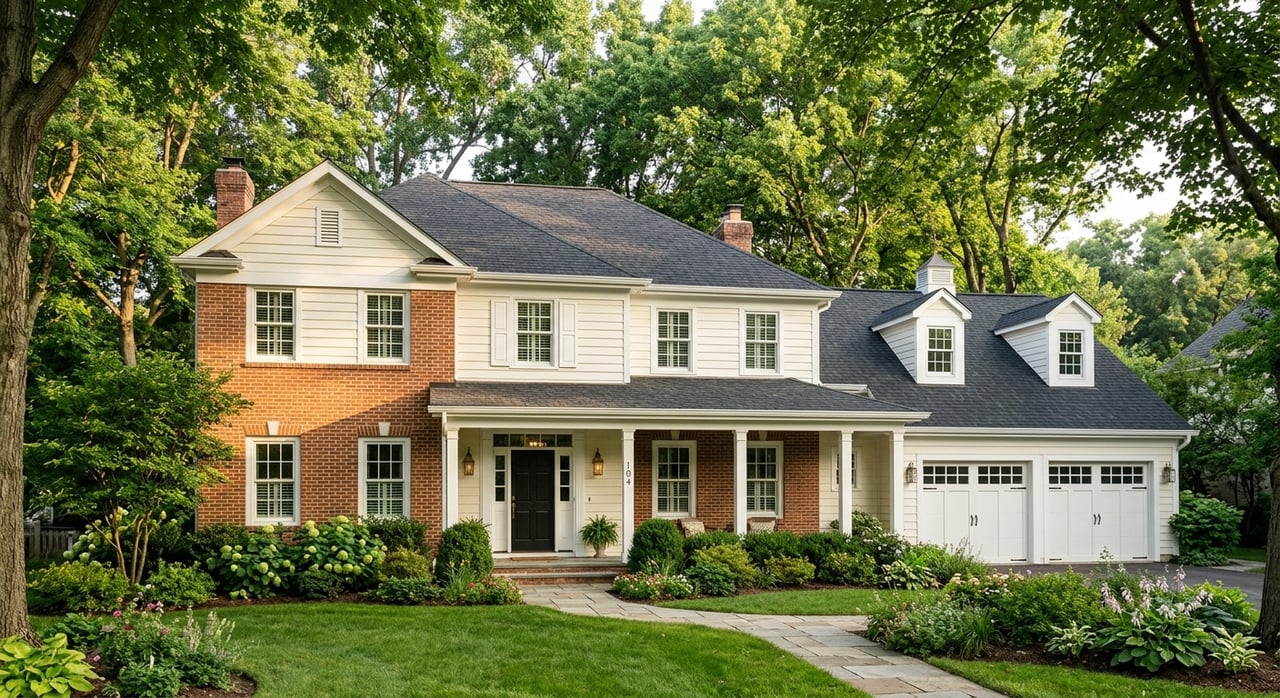
Architecturally, Easton is known for older homes, historic buildings, and established neighborhood blocks. Inside the city, official materials emphasize historic architecture, mixed-use streets, and apartment offerings more than large-scale subdivision living.
That is important if you are comparing Easton to nearby communities. Easton generally fits buyers who appreciate neighborhood character, older housing stock, and a more layered city fabric. It may be a less natural fit if your top priority is a uniformly suburban, car-centered environment.
If you are shopping for an older home, there is one practical detail to understand. Easton’s Local Historic District is roughly bounded by the Delaware River, Bushkill Creek, Sixth Street, and the Lehigh River. In that district, visible exterior renovations or alterations require a Certificate of Appropriateness.
For some buyers, that is a worthwhile tradeoff for historic charm and architectural continuity. For others, it is an important factor to weigh before buying. Either way, it is something you will want to understand early if you are considering homes in the historic core.
Easton’s mean commute time is 27.8 minutes, according to ACS data. That gives a helpful baseline if you are planning around work, school, or regional travel. South Side’s proximity to I-78 can also be a plus for residents who need straightforward highway access.
Because Easton is compact, many daily activities can feel more connected than they do in larger or more spread-out communities. Depending on where you live, your routine may include neighborhood walks, downtown errands, riverfront time, and local events without long trips across town.
Easton tends to be a strong fit if you want a city with local identity. It often appeals to buyers who like older homes, independent restaurants, arts programming, and neighborhoods that each have a distinct feel.
It can also work well if you want options. Within one city, you can find downtown energy, creative walkable pockets, more traditional residential streets, and access to riverfront and trail systems.
Easton may be less ideal if you want a setting that feels consistently suburban from block to block. But if you value variety, character, and a sense of place, Easton offers a lot within a relatively small footprint.
If you are thinking about buying or selling in Easton, working with a local team can help you narrow down which part of the city best fits your lifestyle and goals. For personalized guidance, local market insight, and experienced support, connect with BHHS Paul Ford Realtors - Clay Mitman.
Every detail is approached with care, discretion, and a strong understanding of the market. Serving Easton, Western New Jersey, and Pennsylvania, BHHS Paul Ford Realtors guides each transaction with precision and a client-first mindset. Leveraging decades of experience, they anticipate challenges, provide tailored solutions, and deliver results that inspire confidence at every step.
BHHS Paul Ford Realtors
126 Bushkill St, Easton, PA 18042