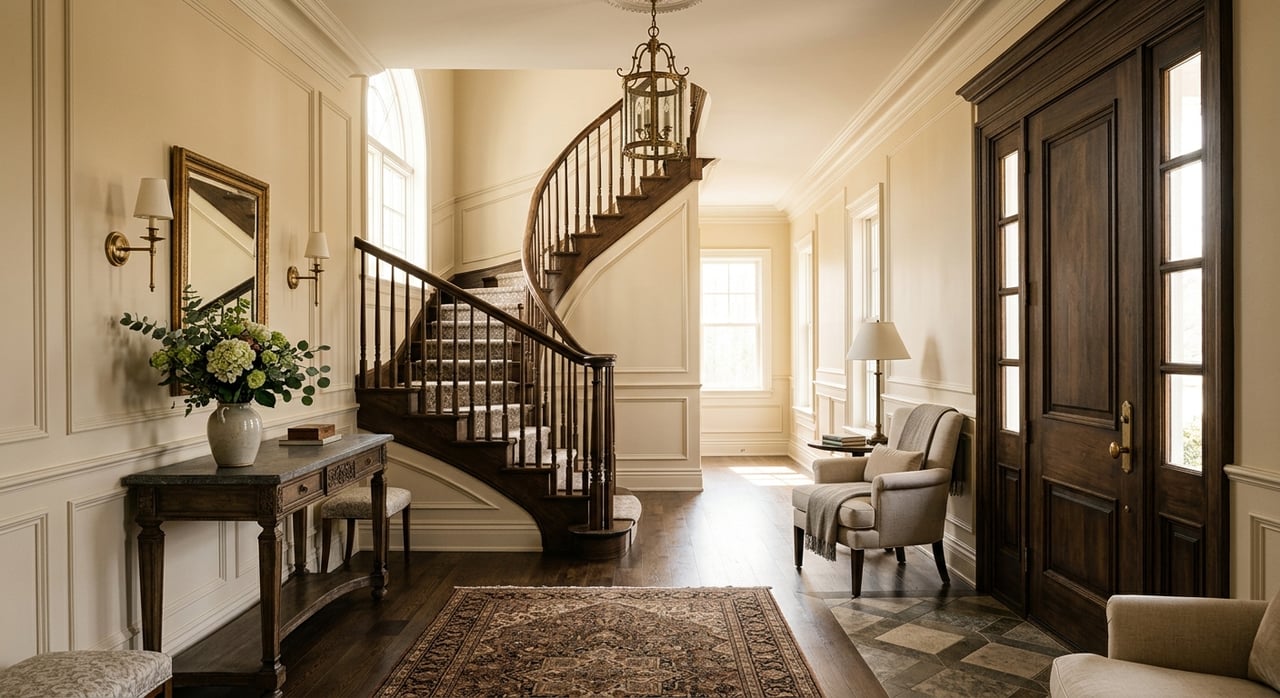
Bethlehem First-Time Homebuyer Guide to Buying Smart
Buying your first home in Bethlehem can feel exciting right up until the details start piling up. Between budgeting, preapproval, older-home issues, and Bethlehem’s county-specific costs, it is easy to feel like you need a clear plan before you take the next step. This roadmap will help you understand what to expect, what to budget for, and where first-time buyers in Bethlehem need to pay extra attention. Let’s dive in.
Before you tour homes, make sure your budget covers more than just the monthly mortgage payment. You will also want to plan for property taxes, homeowners insurance, closing costs, moving expenses, repairs, and any improvements you may need to make soon after closing.
Closing costs typically range from 2% to 5% of the purchase price, not including your down payment. In Bethlehem, you should also factor in transfer taxes. The city imposes a 1% realty transfer tax, and Pennsylvania generally imposes a 1% state transfer tax.
Bethlehem spans both Northampton and Lehigh counties, and that matters when you estimate monthly housing costs. The city states that property assessments are set at the county level, and it collects only the city portion of property taxes. County and school taxes are billed separately.
For 2026, the city portion is 6.21 mills for Lehigh County parcels and 19.64 mills for Northampton County parcels. Since roughly one-third of Bethlehem is in Lehigh County and two-thirds is in Northampton County, you should confirm a home’s county early in your search.
A preapproval letter is a lender’s tentative statement of how much it may be willing to lend you. It is often expected before a seller accepts an offer, and it helps you shop within a realistic price range.
This step is especially important in Bethlehem, where well-priced homes can move quickly. Preapproval letters often expire in 30 to 60 days, so timing matters. If your search stretches out, you may need to refresh your paperwork.
First-time buyers in Bethlehem may have access to state and local programs, but eligibility can depend on where the home is located and your household income. That makes it important to verify the property’s county before you assume a program will apply.
PHFA offers home purchase programs that include Keystone Home, HFA Preferred (Lo MI), and Keystone Government Loan. Keystone Home has county-specific first-time homebuyer requirements, plus income and purchase price limits.
You may want to explore:
PHFA states that K-FIT can provide 5% of the lesser of the purchase price or appraised value for down payment and or closing costs. It is forgiven at 10% per year over ten years. Bethlehem’s HOME program can also help with down payment and closing costs, but the city says it is income-restricted.
Bethlehem is largely an older, resale-driven market. The city’s housing study says the median housing age is 1955, and 65% of housing units are single-family attached or detached.
If you are hoping for abundant new construction, Bethlehem may feel different from some nearby areas. The city also notes that 89% of Lehigh Valley new construction since 2000 has occurred outside the region’s three main cities. In practical terms, many first-time buyers in Bethlehem will be shopping for existing homes, not brand-new ones.
As you narrow your options, use filters that fit Bethlehem’s housing realities, including:
A home that looks affordable at first glance may need near-term work. In an older market, condition is part of affordability.
Because much of Bethlehem’s housing stock is older, you should look at condition from day one. Bethlehem’s older-home guidance discusses energy efficiency, repair versus replacement decisions, windows and doors, and heating and cooling.
That means a first-time buyer may need to budget not only for the purchase itself, but also for improvements after move-in. Common examples can include windows, insulation, roof work, HVAC updates, and other deferred maintenance.
Homes built before 1978 are much more likely to contain lead-based paint. Federal rules require sellers to disclose known lead-based paint hazards and provide lead information before a buyer is obligated under contract.
In Bethlehem, where many homes are older, this makes the disclosure package, inspection process, and your renovation plans especially important. If you are considering repairs or updates soon after purchase, make sure you understand the home’s age and condition early.
Bethlehem has three special districts where a Certificate of Appropriateness is required before certain exterior work can proceed. If you are buying a home with plans to replace windows, repaint, change a porch, or alter the facade, this is something to confirm before you buy.
The city states that exterior work in these districts goes through historic review before a permit is issued. Review boards meet monthly and have advance application deadlines, so planned changes can add process time.
If a home may fall within a historic or conservation district, ask:
These questions can help you avoid surprises after closing.
Bethlehem’s housing study says the city is largely built out, with few available empty parcels and many sites too small or constrained for easy redevelopment. That helps explain why the resale market can feel tight.
Recent market snapshots also suggest buyers should be ready to act. Redfin reported a March 2026 median sale price of $311,000 and 20 days on market. Realtor.com reported a median listing price of $350,000, 23 days on market, and 328 active listings. These are different data sets, but together they suggest that well-priced homes can move fast.
To stay competitive, it helps to:
In a market like Bethlehem, delays can cost you an opportunity. Preparation gives you a better chance to act with confidence instead of rushing under pressure.
A strong offer is not just about price. It is also about knowing what you are buying and understanding how the inspection fits into your decision.
In Bethlehem, where many homes are older, the inspection can reveal repair items that affect both your short-term cash needs and your long-term budget. A roof near the end of its life, aging mechanical systems, or deferred exterior work can change what a home truly costs you.
Closing is the final step in the purchase and financing process, and it often feels document-heavy. Before signing, do a final walk-through and make sure the property condition and any agreed repairs match your expectations.
You should also review your loan terms and purchase terms carefully. In limited circumstances, a new Closing Disclosure can trigger a new three-business-day review period. The safest approach is to read every document closely and ask questions before you sign.
For first-time buyers, Bethlehem has a few details that can change the process in meaningful ways. County lines can affect tax costs and some assistance program eligibility. Older homes can bring repair planning, lead-paint disclosures, and energy-upgrade decisions into the picture earlier than expected.
That is why a clear roadmap matters. When you understand the local housing stock, likely costs, and timing pressures before you start, you can make steadier decisions and avoid common first-time buyer mistakes.
If you are getting ready to buy your first home in Bethlehem, BHHS Paul Ford Realtors - Clay Mitman can help you navigate the process with practical, locally informed guidance.

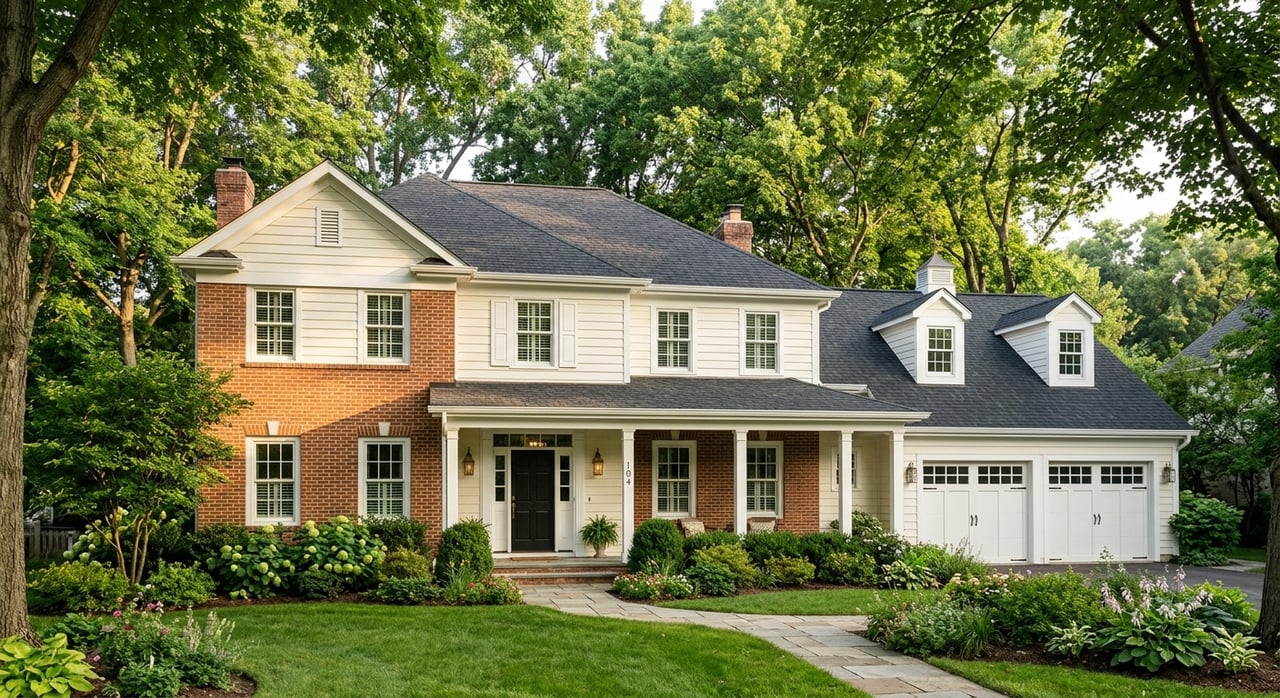
Every detail is approached with care, discretion, and a strong understanding of the market. Serving Easton, Western New Jersey, and Pennsylvania, BHHS Paul Ford Realtors guides each transaction with precision and a client-first mindset. Leveraging decades of experience, they anticipate challenges, provide tailored solutions, and deliver results that inspire confidence at every step.

BHHS Paul Ford Realtors
126 Bushkill St, Easton, PA 18042