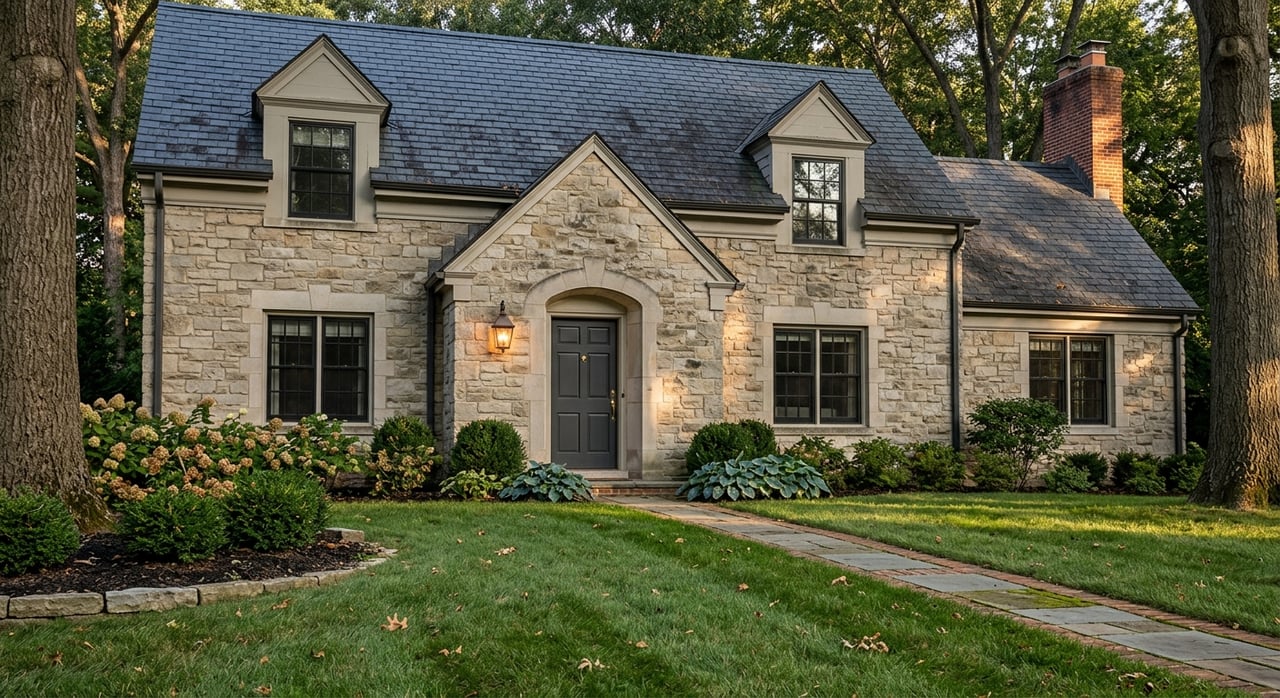
A Guide to Bethlehem PA Neighborhoods and Home Styles
If you are thinking about buying or selling in Bethlehem, one thing becomes clear fast: this city does not feel like one single housing market. From historic brick rowhouses to larger early 20th-century homes and suburban-style detached properties, Bethlehem offers a wide range of neighborhood settings and home styles. Understanding those differences can help you narrow your search, set the right expectations, and make more confident decisions. Let’s dive in.
Bethlehem sits in both Lehigh and Northampton Counties, and the Lehigh River helps shape how the city feels from one area to the next. City planning documents describe Bethlehem as a group of linked areas, including the Central or North Side, South Side, West Side, and other neighborhood groupings, rather than one uniform residential landscape.
That matters when you start comparing homes. A buyer looking for a compact, historic setting may focus on one part of the city, while someone wanting more yard space, easier parking, or a more suburban street pattern may look elsewhere.
As a broad market baseline, recent citywide reports place Bethlehem in the low- to mid-$300,000 range overall. Redfin reported a March 2026 median sale price of $311,000, while Realtor.com shows a median listing price of $350,000 with about 23 to 24 days on market. These are citywide snapshots, not neighborhood-by-neighborhood pricing.
Central Bethlehem on the North Side is the city’s historic core. The city describes this district as home to many of the oldest remaining buildings tied to the original Moravian settlement, along with Main Street businesses and nearby residential blocks.
This part of Bethlehem is known for a compact layout and short, dense blocks. If you want a neighborhood that feels more urban and walkable, the North Side is one of the clearest examples in the city.
The architecture here reflects some of Bethlehem’s earliest development. City design and preservation materials point to early stone and log construction, steep rooflines, red tile, oak clapboards, and later Federal rowhouses with simple rectangular forms and three- or five-bay facades.
You may also notice details that add to the district’s visual identity, including cupolas, bracketed cornices, porches, and masonry ornament. For buyers who value original character and historic design, this is one of the strongest areas to explore.
The appeal of the North Side is closely tied to preservation. In the historic district, exterior changes visible from a public way may require historic review and a Certificate of Appropriateness before a building permit is issued.
For buyers, that means charm often comes with added rules around exterior work. For sellers, it means historic character can be a major selling point, especially when updates respect the home’s original style.
South Bethlehem developed in a different way from the North Side. City preservation materials note that while the North Side retained more of its Moravian character, the South Side became more connected to trade and industry.
That history still shows up in the neighborhood pattern today. The South Side has a compact, urban feel, with mixed-use streets and closely spaced homes that create a more street-oriented setting.
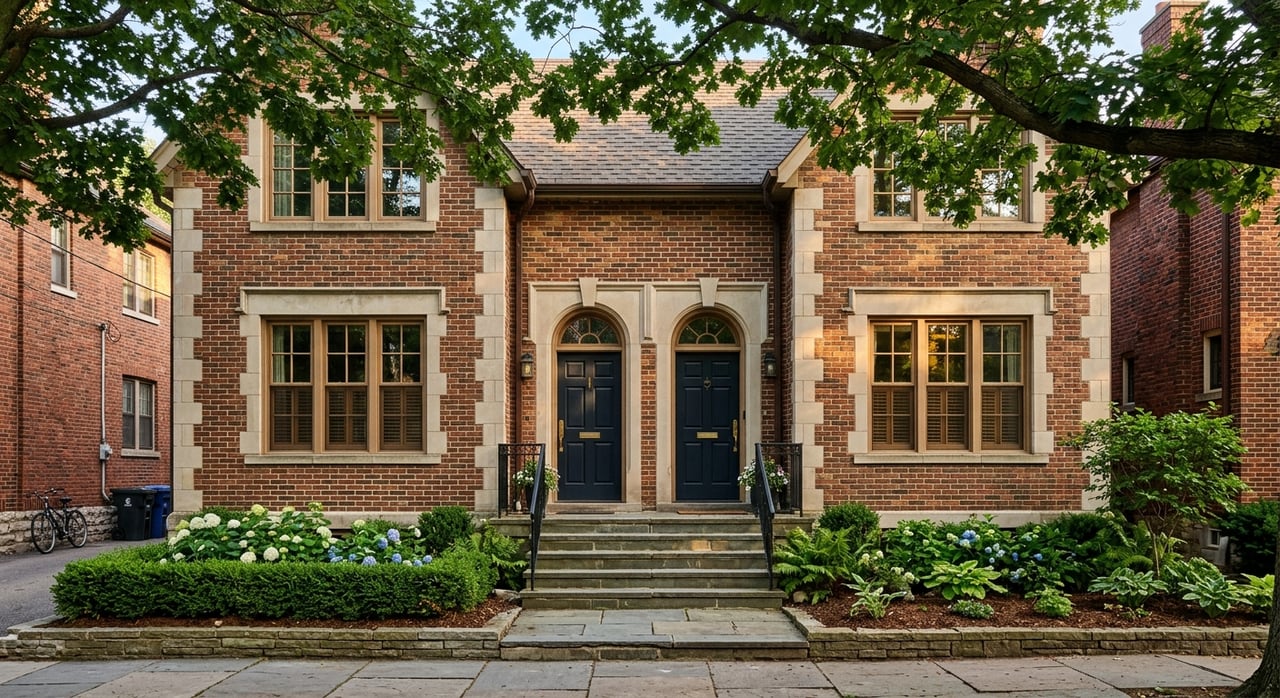
This is where you are more likely to find modest, denser housing types. City guidelines describe the area’s residential stock as ranging from modest worker housing to Queen Anne influences, with many brick homes and details such as bracketed porches, arched openings, molded brick cornices, and finials.
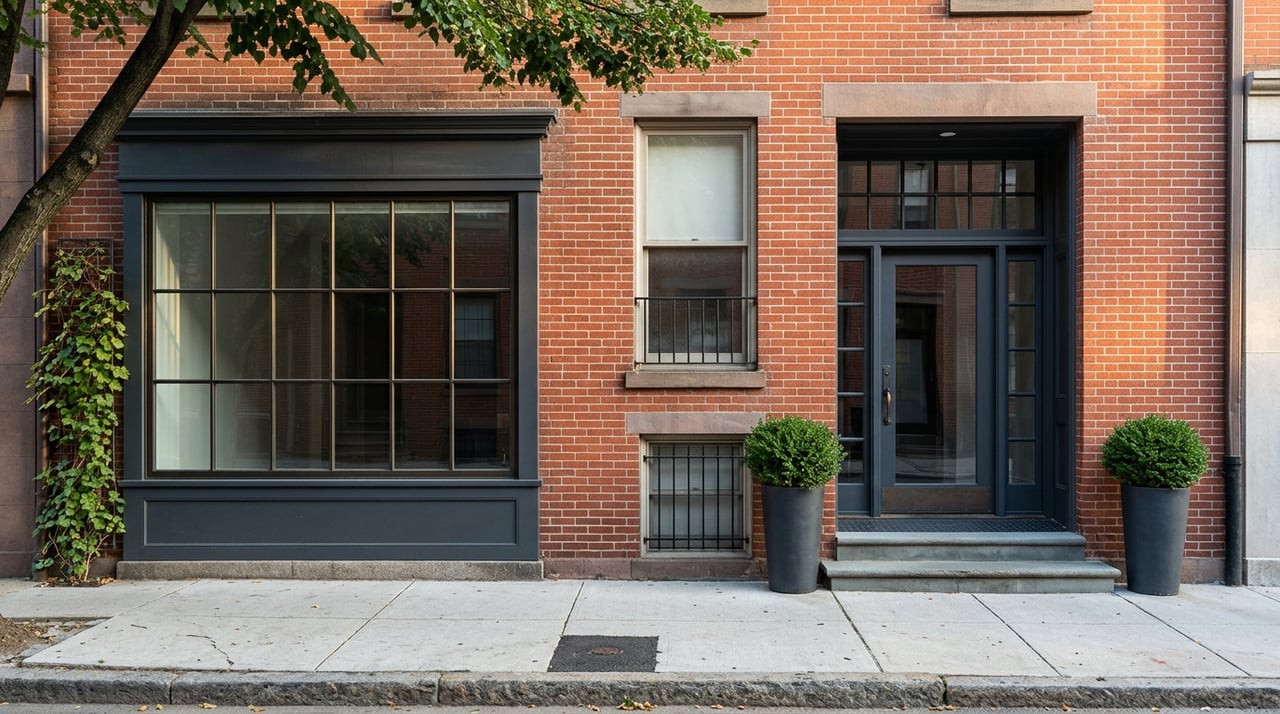
For many buyers, the South Side stands out for its rowhouse streets, brick twins, and two- to three-story buildings. Broadway and Fourth Street are especially helpful examples of the area’s narrow building pattern and strong brick character.
If you are comparing lifestyle feel, the South Side usually reads as more mixed-use and urban than suburban. It can be a practical fit if you like the energy of older blocks, denser housing, and proximity to downtown-oriented activity.
Exterior work may also involve added review in the South Bethlehem Historic Conservation District. As with the North Side, that is important to understand before planning renovations or marketing major exterior improvements.
The West Side, especially Mount Airy, has a very different feel from the compact rowhouse areas. The city describes Mount Airy as a residential community of executive mansions built in the first quarter of the 20th century for Bethlehem Steel executives.
That history gives this area a more prominent residential feel. Streets here are often associated with larger homes, a more estate-like setting, and a stronger emphasis on early 20th-century architecture.
If your search includes larger historic homes and broader lots, this is one of the main neighborhood categories to watch. Compared with the denser housing patterns on the South Side, West Bethlehem and Mount Airy present a more spacious visual experience.
This area can appeal to buyers who want architectural presence and period character without the same rowhouse concentration found in other parts of Bethlehem. For sellers, those features can help position a property for buyers looking for scale, style, and long-term character.
Mount Airy is also a historic-conservation area under the city’s review process. That means the exterior of a home may come with preservation-related considerations, similar to other special districts in Bethlehem.
In practical terms, this is a neighborhood where buyers should look closely at condition, maintenance needs, and any planned exterior changes. Sellers can benefit from presenting the home’s architectural story clearly and thoughtfully.
Bethlehem is not only a city of historic homes. The city’s housing study describes Bethlehem as a mix of older rowhouses, stately historic homes, pre-2000 suburban-type single-family development, and newer revitalization projects in the historic center.
The same study notes that Bethlehem followed post-World War II suburbanization through the development of outlying single-family neighborhoods. That gives buyers another option beyond the historic core and older urban blocks.
In these neighborhoods and infill areas, you are more likely to find detached homes, more parking, and less tightly packed street grids. Bethlehem’s housing stock overall is still dominated by single-family attached and detached homes, with fewer than 10% of structures classified as large multifamily buildings.
The city is also planning for a broader housing mix over time, including twins, townhomes, duplexes, stacked townhomes, and cottage courts. For buyers, that means Bethlehem may continue offering a wider range of housing choices in neighborhood-compatible formats.
If your priority is space, easier car storage, or a less dense streetscape, newer or outlying single-family areas may feel more familiar than the historic sections. These areas can also appeal to sellers whose homes offer features that are harder to find in older blocks, such as larger lots or more modern layouts.
Pricing in these parts of the city often depends on lot size, age, updates, and proximity to downtown. The citywide median range gives a useful benchmark, but individual neighborhoods and homes can vary widely.
When you look at Bethlehem as a whole, it helps to compare neighborhoods by architectural feel, street pattern, and renovation needs rather than assuming every area offers the same experience.
A simple way to think about it is this:
For buyers, this comparison can sharpen your search before you start touring homes. For sellers, it can help you understand how your property fits into Bethlehem’s larger story and what features are likely to stand out to the right audience.
In a city like Bethlehem, small neighborhood details can shape your experience more than broad citywide averages. Historic review rules, lot patterns, exterior materials, and the age of the housing stock can all affect how you budget, renovate, market, or negotiate.
That is why local guidance matters. A measured, neighborhood-specific approach can help you avoid comparing homes that may look similar online but offer very different ownership experiences in person.
Whether you are drawn to a brick rowhouse on the South Side, a historic home near the North Side core, or a detached property in a more suburban setting, the goal is the same: find the part of Bethlehem that fits how you want to live now and what you need from your next move.
If you are planning a move in Bethlehem or anywhere in the Lehigh Valley, working with a team that understands neighborhood nuance can make the process much clearer. For thoughtful local guidance, reach out to BHHS Paul Ford Realtors - Clay Mitman.
Every detail is approached with care, discretion, and a strong understanding of the market. Serving Easton, Western New Jersey, and Pennsylvania, BHHS Paul Ford Realtors guides each transaction with precision and a client-first mindset. Leveraging decades of experience, they anticipate challenges, provide tailored solutions, and deliver results that inspire confidence at every step.
BHHS Paul Ford Realtors
126 Bushkill St, Easton, PA 18042